Flange Facing Machines

Flange Facing Machines (12)
Flange Facing Machines (12)

Flange Facing Machines (2)
Flange Facing Machines (2)

Flange Facing Machines (1)
Flange Facing Machines (1)

Flange Facing Machines (3)
Flange Facing Machines (3)

Flange Facing Machines (11)
Flange Facing Machines (11)

Flange Facing Machines (10)
Flange Facing Machines (10)

Flange Facing Machines (9)
Flange Facing Machines (9)

Flange Facing Machines (8)
Flange Facing Machines (8)

Flange Facing Machines (7)
Flange Facing Machines (7)

Flange Facing Machines (6)
Flange Facing Machines (6)

Flange Facing Machines (5)

Flange Facing Machines (5)

Product Description

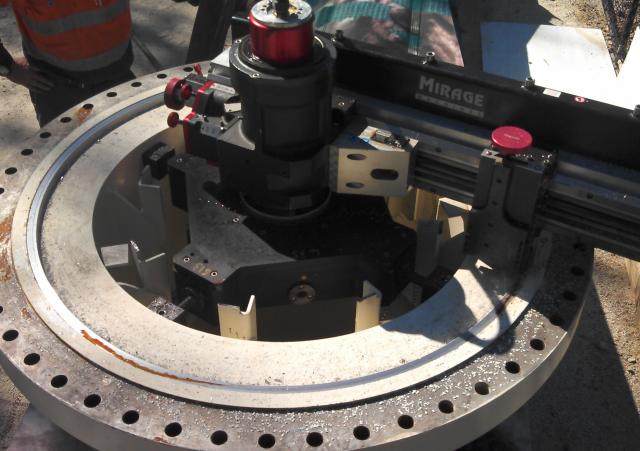
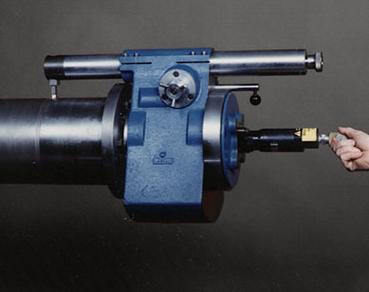
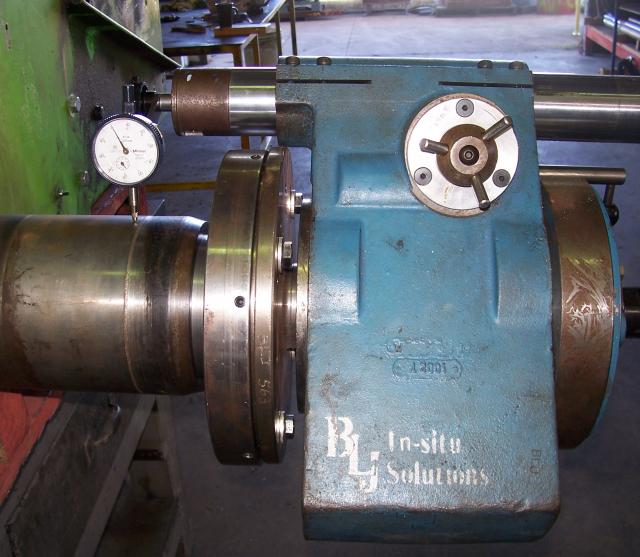
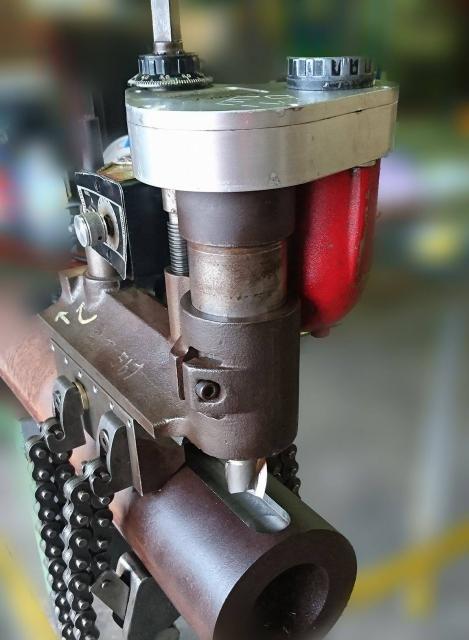
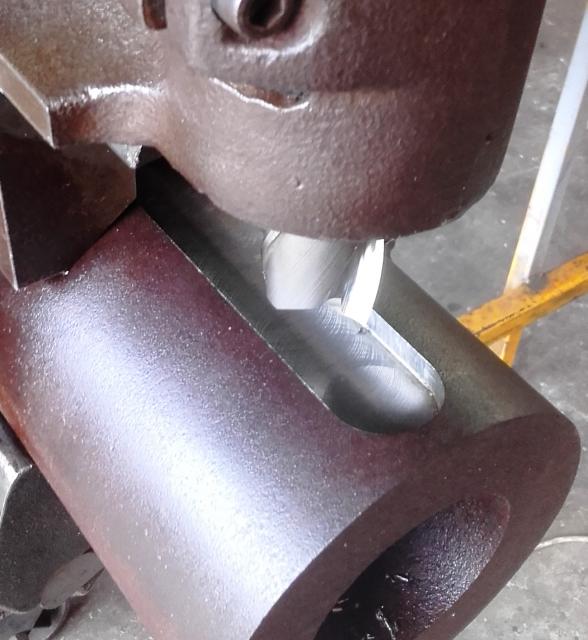
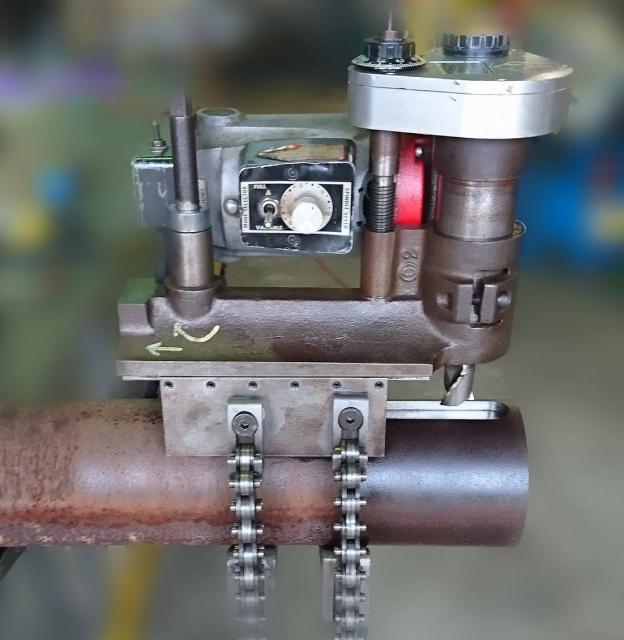
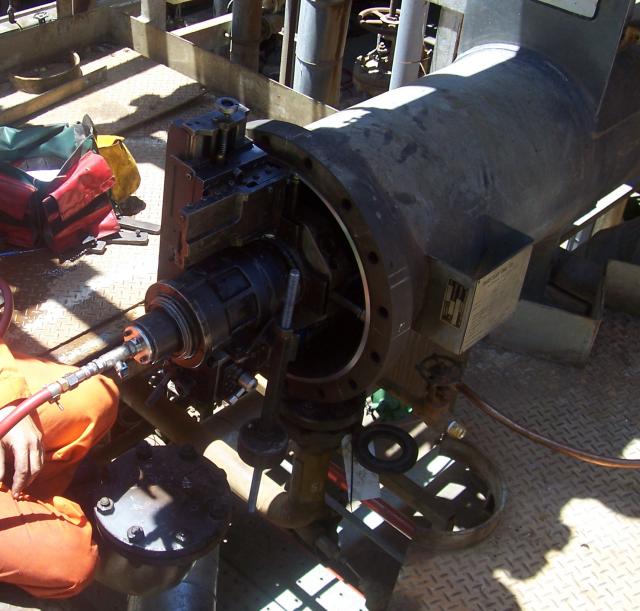
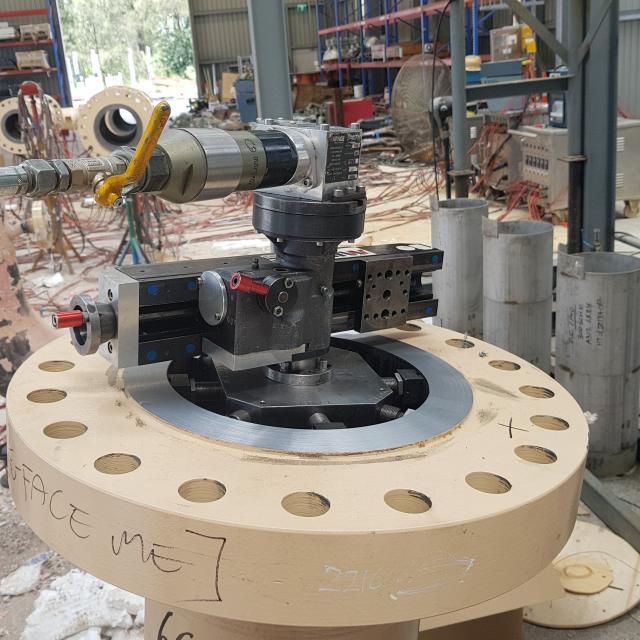
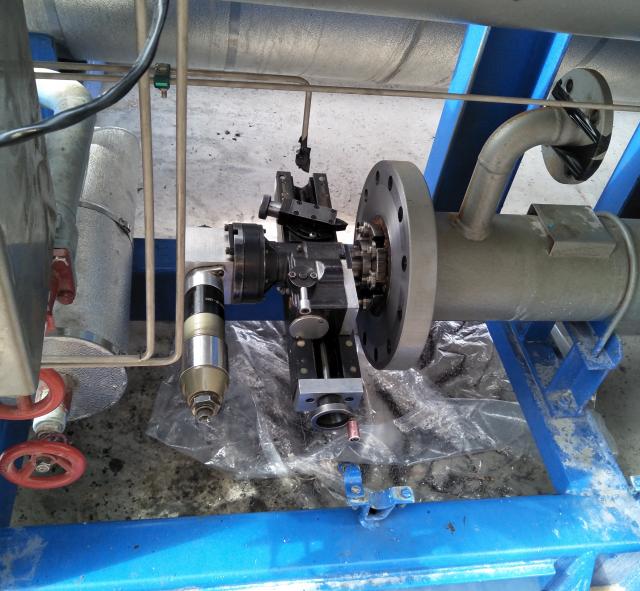
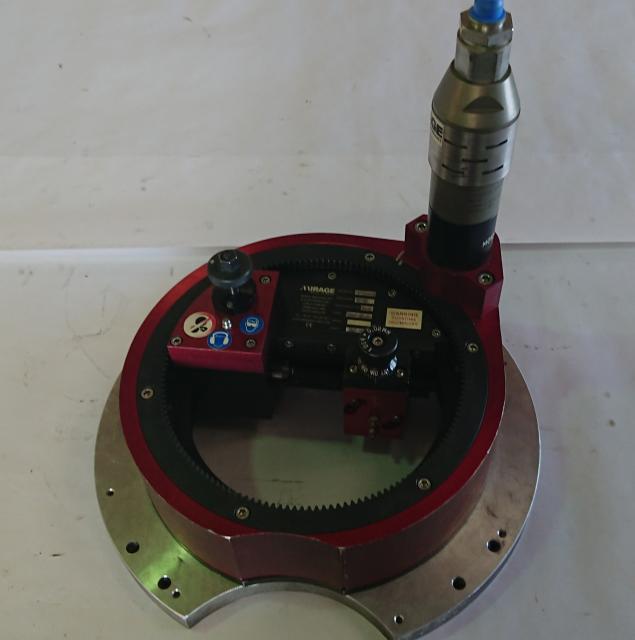
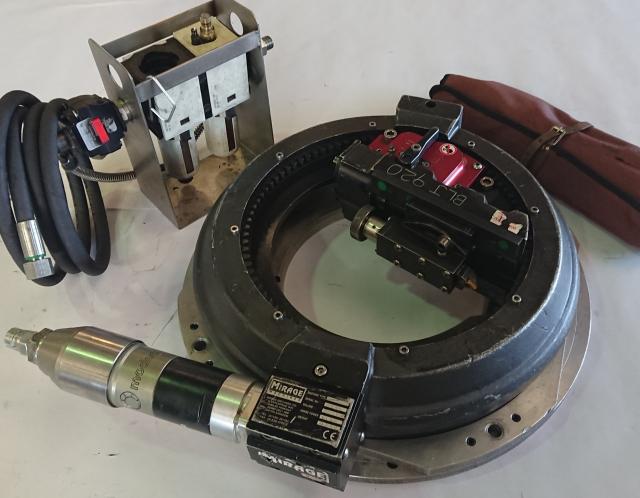
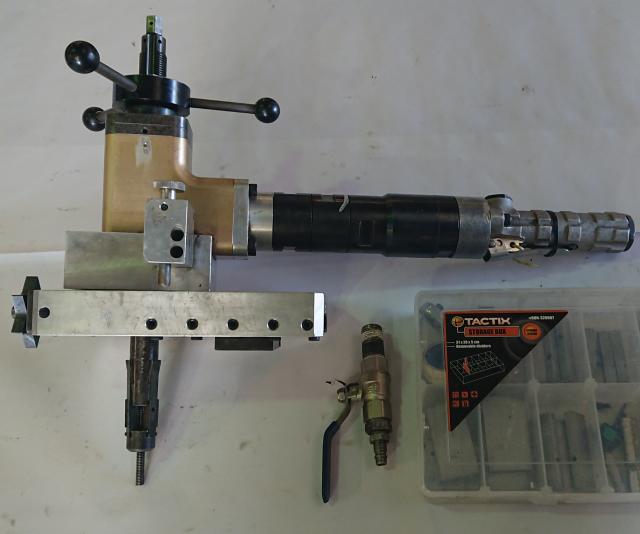
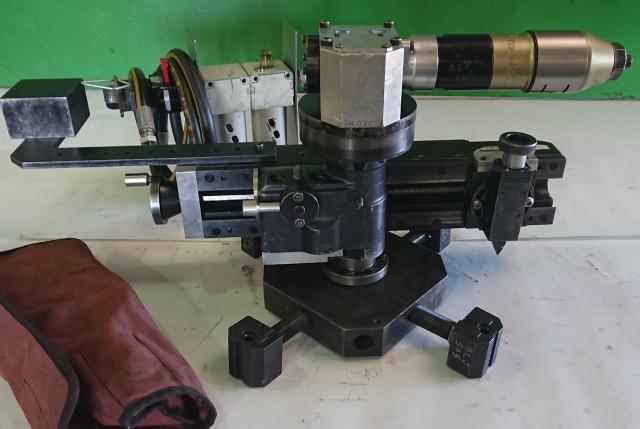
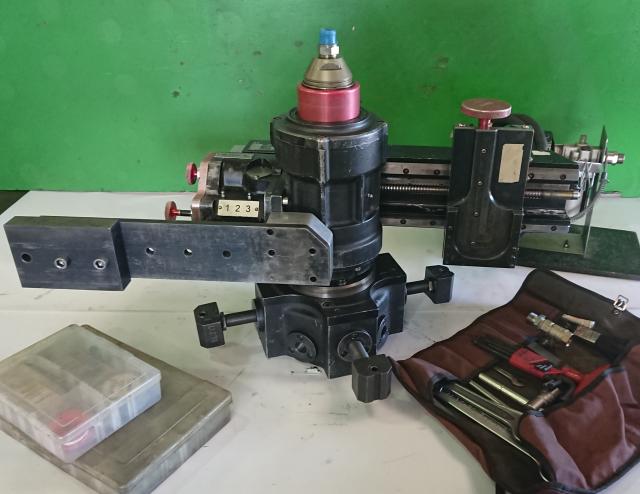
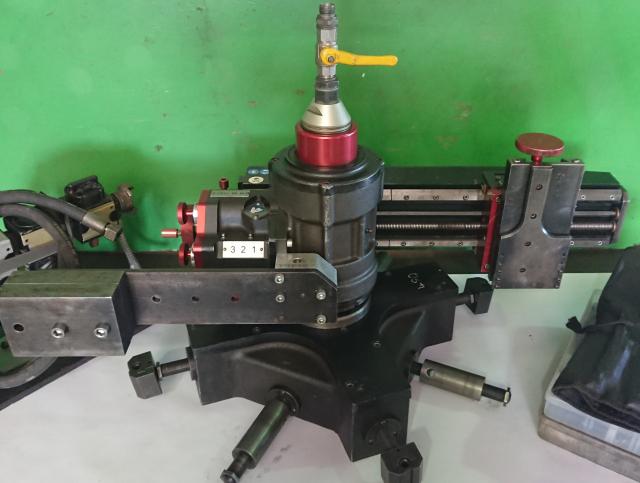
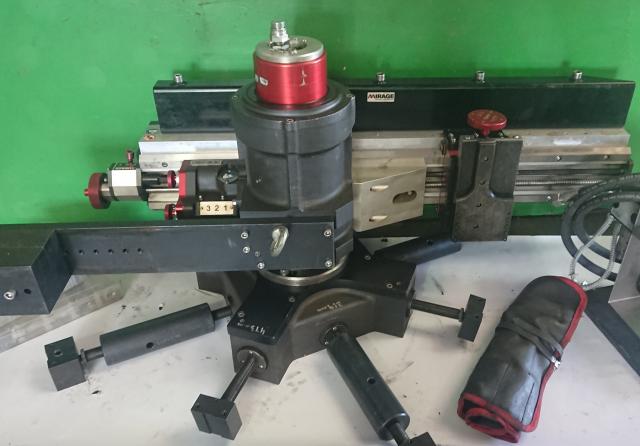
Flange facing is the process of machining the contact surfaces of flanges to create smooth and flat mating surfaces. It removes corrosion, scoring, pitting and distortion from the flange face so the joint seals correctly once it is bolted back together. A flange facing machine is the portable tool that does that work with the flange still in place.

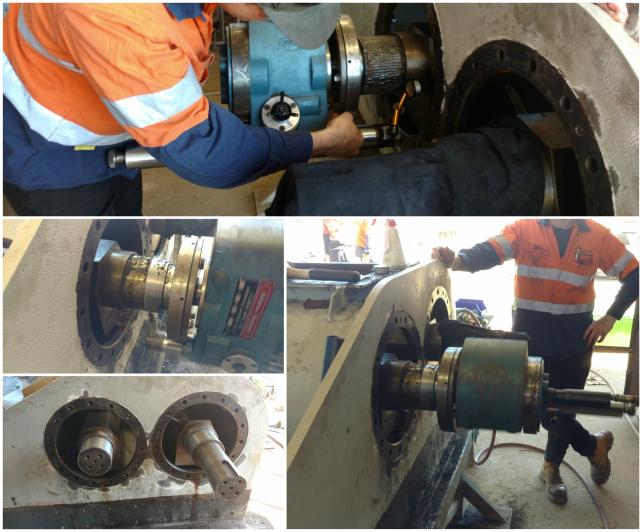
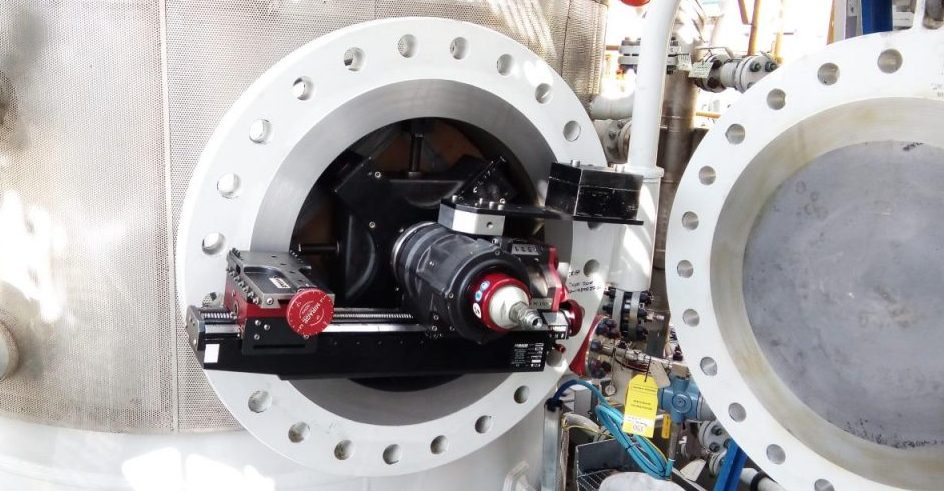
Taking your field equipment to the machine shop is not always feasible. This is why BLJ In-situ Solutions offers its range of on-site machining services. Our air driven portable flange facing machines handle flange sizes from 0 to 1.8 metres in diameter and carry out machine shop operations without removing the plant item, consistently achieving tolerances and finishes once thought to be achievable only in an engineering workshop.

We bring the workshop to you and work in-situ, saving time and money. Whatever the work environment or situation, BLJ In-situ Solutions can offer a machining solution to meet your required application.

Flange Facing Machines Available for Hire

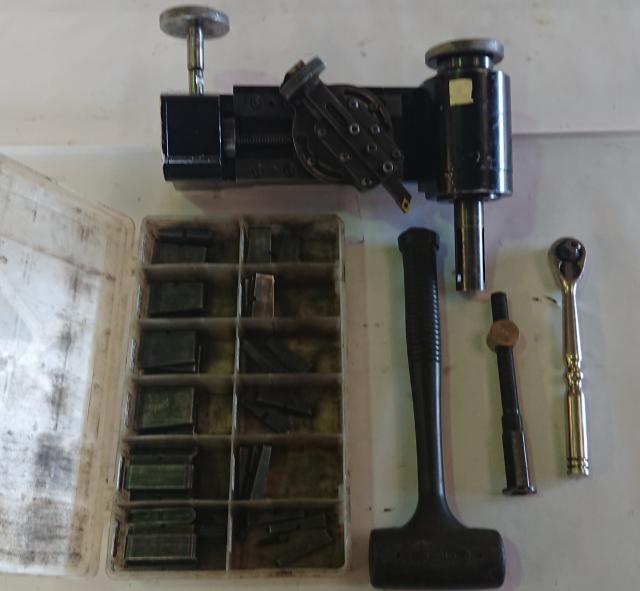
Our flange facing equipment fleet covers flange sizes from 0 inches through to 72 inches. Each machine is supplied with the tooling and equipment required to set up and operate.

Machine Facing range Mounting Data sheet
MM200e Flange Facer 0″ to 8″ (0 to 203mm) Internal mount MM200e specs (PDF)
MM300e Flange Facer 0″ to 12″ (0 to 305mm) Internal mount MM300e specs (PDF)
FF1200 Flange Facer 0″ to 12″ (0 to 305mm) External (OD) mount FF1200 specs (PDF)
203B-FF Flange Facer 1.5″ to 12″ (38 to 305mm) Internal mount 203B-FF specs (PDF)
MM610i Flange Facer 2″ to 24″ (50 to 610mm) Internal mount MM610i specs (PDF)
AX321 Flange Facer 3″ to 21″ (76 to 533mm) External (OD) mount AX321 specs (PDF)
MM860i Flange Facer 6″ to 34″ (152 to 864mm) Internal mount MM860i specs (PDF)
MM1000i Flange Facer 6″ to 40″ (152 to 1016mm) Internal mount MM1000i specs (PDF)
MM1500i Flange Facer 12″ to 60″ (305 to 1524mm) Internal mount MM1500i specs (PDF)
AX1445 Flange Facer 14″ to 45″ (356 to 1143mm) External (OD) mount AX1445 specs (PDF)
SX2872 Flange Facer 28″ to 72″ (711 to 1829mm) External (OD) mount SX2872 specs (PDF)

Internal Mount and External Mount Machines

Flange facing machines mount one of two ways, and the right choice depends on what the flange is attached to and how much room there is around it.

  • Internal mount machines clamp inside the pipe bore and machine outwards. They suit standard pipe flanges where the bore is accessible and clear, and they keep the machine’s footprint tight in congested pipework.
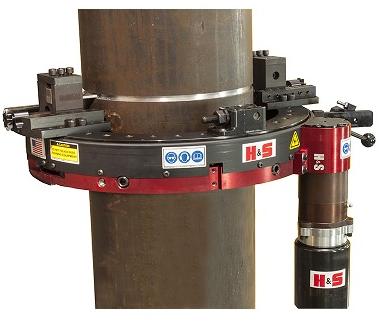
  • External mount machines clamp to the outside diameter or bolt to the flange face itself. They suit large diameter flanges, valve bodies, heat exchanger and vessel faces, and any situation where the bore is obstructed or the component is not a through pipe.

Where a job is not clear cut, our technicians will confirm the mounting arrangement before mobilising so the correct machine arrives on site the first time.

What Our Flange Facing Machines Are Used For

  • Re-machining raised face (RF) and flat face (FF) flanges to restore a serviceable sealing surface
  • Cutting and re-cutting ring type joint (RTJ) grooves to specification
  • Removing corrosion, pitting, scoring and gasket damage from flange faces
  • Correcting flange distortion and out of flatness identified during a flange flatness survey
  • Machining heat exchanger, vessel, valve and pump faces in place
  • Restoring sealing surfaces during a shutdown so the plant achieves a leak-free startup

Flange facing is usually one part of a wider scope. It sits alongside flange joint management and controlled bolting and bolt tensioning, because a correctly machined face still needs accurate bolt load to seal. Our approach to the full scope is set out on our flange maintenance and flange joint integrity page.

Hire the Machine, or Hire the Machine and the Technician

You can hire a flange facing machine from our fleet and run it with your own people, or we can supply the machine with a BLJ technician who carries out the work. Many clients use the second option during a shutdown, when the window is tight and the joint has to seal first time.

What is included with a hire: the machine, the mounting hardware and the standard tooling required to set up and operate it, all maintained and tested before it leaves our workshop. Every item in the fleet is registered in our equipment management system so we can confirm availability and location at any time.

What you need to provide: the air supply to drive the machine, safe access to the flange, and confirmation that the system is isolated and the joint is clear for work. Our team will talk this through with you before delivery so nothing holds the job up on the day.

Machines are dispatched from our workshops in Brisbane and Gladstone, Queensland, and we mobilise to sites across Australia including Brisbane and Lytton, Gladstone, Chinchilla, Karratha, Perth, Darwin, Newcastle and the Hunter Valley and Sydney. The full range is on our on-site machining equipment hire page.

Flange Facing Machine FAQs

What does flange facing mean?

Flange facing means machining the sealing surface of a flange back to a flat, smooth and correctly finished condition. Over time a flange face is damaged by corrosion, gasket bonding, scoring and heat distortion, and once the surface is out of specification the joint will not seal reliably no matter how it is bolted. Flange facing restores that surface so the gasket seats properly.

What is a flange facing machine?

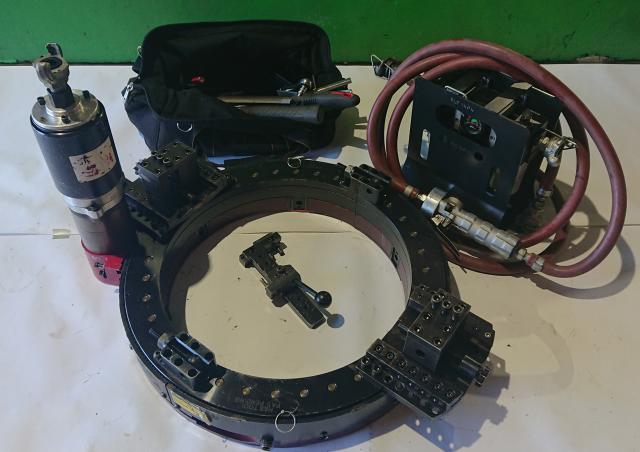
A flange facing machine is a portable machine tool that clamps to a flange, either inside the bore or on the outside diameter, and rotates a cutting tool across the flange face. It performs the same work as a lathe in an engineering workshop, but it is taken to the component rather than the component being taken to it. BLJ In-situ Solutions holds a hire fleet covering 0 to 72 inches.

What are the different types of flange faces?

The three most common in industrial pipework are raised face (RF), where the gasket seats on a raised portion of the flange; flat face (FF), where the full face is machined flat and the gasket covers the whole surface; and ring type joint (RTJ), where a metal ring sits in a machined groove and is used on higher pressure and higher temperature duty. Each has a different specified surface finish, and our machines cut all three.

What size flange can BLJ machine on site?

Our fleet covers 0 inches to 72 inches, which is 0 to approximately 1.8 metres in diameter. Smaller flanges are handled by our internal mount machines such as the MM200e and MM300e, while large diameter work such as vessel and exchanger faces is handled by external mount machines including the AX1445 and SX2872.

Can I hire a flange facing machine without a technician?

Yes. Flange facing machines are available for dry hire with the tooling required to set up and operate them. If your team is not set up to run the machine, or the joint is critical and the shutdown window is tight, we can supply a BLJ technician with the machine instead.

How long does on-site flange facing take?

It depends on the diameter, the finish specified and how much material has to come off, but the more useful comparison is against the alternative. Removing a flange or component and sending it to a workshop adds disassembly, transport, machining, return transport and reassembly. Machining it in place removes all of that, which is why in-situ flange facing is usually the faster and more cost-effective option.

Where does BLJ provide flange facing machines and services?

BLJ In-situ Solutions operates from workshops in Brisbane and Gladstone, Queensland, and mobilises nationally. We regularly work across Queensland, New South Wales, Western Australia, South Australia, Victoria and the Northern Territory, including remote and regional sites, for clients in energy, LNG, oil and gas, utilities, petrochemical, mining, construction and infrastructure.

Enquire Today

Related Equipment

Continue reading

Pipe Cutting & Weld Prep Machines

Pipe Cutting & Weld Prep (5)

Pipe Cutting & Weld Prep (5)

Pipe Cutting & Weld Prep (2)

Pipe Cutting & Weld Prep (2)

Pipe Cutting & Weld Prep (3)

Pipe Cutting & Weld Prep (3)

Pipe Cutting & Weld Prep (1)

Pipe Cutting & Weld Prep (1)

Pipe Cutting & Weld Prep (4)

Pipe Cutting & Weld Prep (4)

Product Description

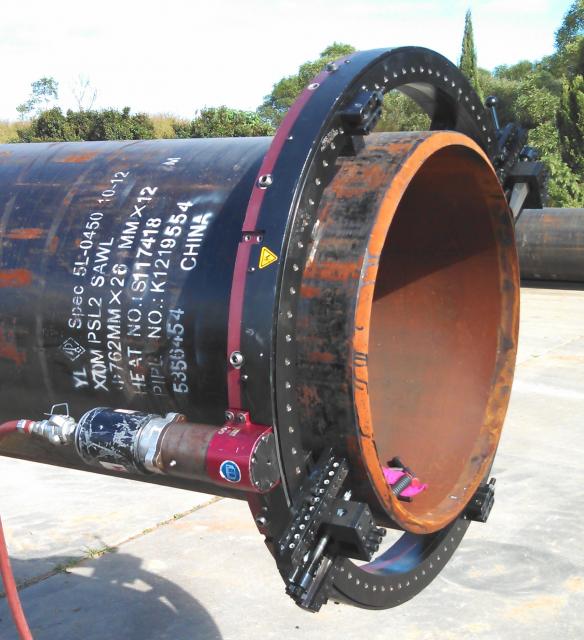
Pipe cutting and weld prep machines, also known as split frame clamshells, cut and bevel pipe in place without heat, flame or sparks. They clamp around the pipe, rotate a cutting tool around it and machine a square cut and a weld ready bevel in the same pass. BLJ In-situ Solutions holds a hire fleet covering 4 inch to 60 inch diameter pipe.

Because the cut is mechanical rather than thermal, there is no heat affected zone. The pipe is not distorted, the material properties either side of the cut are unchanged, and the work can be carried out in atmospheres where an open flame would not be permitted. That is why cold cutting is standard practice on live plant, in hazardous areas and on any line where the weld has to pass inspection first time.

How Split Frame Clamshell Machines Work

The frame is split, so it opens and closes around pipe that is already installed. There is no need to break the line apart to get the machine on. Once clamped, the tool bits feed automatically into the work piece with each rotation of the clamshell, which produces a consistent and precise finish rather than one that depends on operator feel.

These are portable pipe lathes. They simultaneously sever and bevel inline pipe, and they can form an angle bevel as they cut, so a single set up delivers a cut face that is ready for weld preparation. A swivel counter boring head attachment is also available for hire where the internal diameter needs to be machined to suit the weld procedure.

Pipe Cutting and Weld Prep Machine Hire

  • Pipe diameter range: 4 inch to 60 inch (approximately 100mm to 1,525mm)
  • Drive: air driven, suitable for hazardous area work where electrical tools are restricted
  • Machine type: split frame clamshell, mounts on in-line pipe without dismantling the run
  • Operations: severing, bevelling, simultaneous sever and bevel, counter boring with the optional swivel head
  • Supplied with: the tooling and equipment required to set up and operate

The range covers small bore pipework right through to large diameter vessels, so a single supplier can handle a mixed scope across a plant.

What These Machines Are Used For

  • Cutting out and replacing a section of corroded, eroded or damaged pipe
  • Preparing weld ends on new pipework tie-ins during construction and plant modification
  • Cold cutting on live or recently isolated lines where hot work permits are difficult or refused
  • Cutting in hazardous and classified areas where flame cutting is not an option
  • Removing valves, spools and fittings without disturbing the surrounding pipework
  • Decommissioning and cutting up redundant plant and pipework
  • Machining weld preparations to a specified angle and root face during a shutdown

Pipe cutting is often one element of a larger scope. It runs alongside our on-site machining services and is frequently mobilised as part of a shutdown or turnaround, where a tie-in has to be cut, prepped, welded and returned to service inside a fixed window. Where the same outage also involves flange work, our flange joint management and controlled bolting teams work the scope together.

Hire the Machine, or Hire the Machine and the Technician

You can hire a pipe cutting and weld prep machine and run it with your own crew, or we can supply the machine with a BLJ technician who carries out the cut. Clients often take the second option when the bevel has to meet a specific weld procedure, or when the line is live and the job carries no margin for a second attempt.

What you need to provide: the air supply, safe access around the full circumference of the pipe, and confirmation that the line is isolated, drained and safe to cut. Clearance around the pipe matters more than people expect, because the clamshell rotates around the outside of it. Our team will check this with you before delivery.

Machines are dispatched from our workshops in Brisbane and Gladstone, Queensland, and we mobilise to sites across Australia including Brisbane and Lytton, Gladstone, Karratha, Perth, Newcastle and the Hunter Valley and Sydney. The rest of the fleet is on our on-site machining equipment hire page.

Pipe Cutting and Weld Prep FAQs

What is cold cutting?

Cold cutting is cutting metal without heat, flame or sparks. Instead of burning through the material, a mechanical cutting tool removes it. This avoids a heat affected zone, so the material either side of the cut keeps its original properties and the pipe does not distort. It also removes the ignition risk, which is what makes it suitable for work on live plant and in hazardous areas.

What is a split frame clamshell machine?

A split frame clamshell is a portable pipe lathe whose frame splits in two so it can be fitted around pipe that is already installed. Once closed and clamped, the frame rotates around the pipe carrying the cutting tools with it. It is the standard machine for cutting and bevelling in-line pipe without dismantling the run.

What is the correct bevel angle for a pipe?

For a standard single V butt weld preparation the included angle is commonly 37.5 degrees, though the correct figure for any given job comes from the applicable weld procedure specification rather than a general rule. Wall thickness, material and the welding process all affect the preparation required. Our machines cut to the angle and root face your procedure calls for.

What size pipe can BLJ cut on site?

Our fleet covers 4 inch to 60 inch diameter pipe, which is approximately 100mm to 1,525mm. That range takes in most process pipework as well as large diameter vessel and header work.

Why cut pipe in-situ rather than removing it?

Removing a section of pipe to cut it elsewhere means disassembly, transport, machining, return transport and reassembly, and every one of those steps carries time, cost and the risk of introducing a new problem. Cutting in place removes all of it. We bring the workshop to you and work in-situ, saving time and money.

Can pipe cutting be done during a shutdown?

Yes, and that is where most of this work happens. Cold cutting suits a shutdown because it needs no hot work permit, produces no sparks near other trades and delivers a weld ready face straight off the machine, which keeps the welding crew moving. BLJ In-situ Solutions mobilises pipe cutting alongside our other on-site machining disciplines as part of a single shutdown scope.

Where does BLJ provide pipe cutting and weld prep services?

BLJ In-situ Solutions operates from workshops in Brisbane and Gladstone, Queensland, and mobilises to sites across Australia, including remote and regional locations. We work for clients in energy, LNG, oil and gas, utilities, petrochemical, mining, construction and infrastructure.
Download Data Sheets

Enquire Today

Related Equipment

Continue reading

Journal Turning Lathe (Shaft Turning)

  • Shaft Turning (2)

  • Shaft Turning (4)

  • Shaft Turning (3)

Product Description

Journal turning is machining the outside diameter of a shaft to bring it within the desired specification for concentricity, surface finish and circularity tolerance. A precision machining tool that performs accurate and consistent machining of bearing journals and other round surfaces.

The rugged and dependable Portable Lathe is a precision machine tool engineered to re-turn large shafts and roll journals by bolting directly to the end of the workpiece and rotating around the shaft.  Simply remove the gear or bearing to expose the end of the shaft. Adjusting screws allow accurate centering and alignment even if the shaft face is no longer square.

Equipment for Journal (Shaft) Turning available from 4″ to 11.25” diameter. All BLJ In-situ Solutions machines are supplied with tooling and equipment required to setup and operate.

Download Specs

Enquire Today

Related Equipment

Continue reading

QuickFace Flange Facer

  • QuickFace Flange Facer (2)

Product Description

The QuickFacer weighs only 6.8kg and is manually driven. The QuickFace has 2.8” of travel, mounts in diameters from 0.96” to 6.21”, and faces diameters from 0.96″ to 12”. All BLJ In-situ Solutions machines are supplied with tooling and equipment required to setup and operate.

Download Data Sheet ~ QuickFace

Enquire Today

Related Equipment

Continue reading

Keyway Milling Machine

  • Keyway Milling Machine (3)

  • Keyway Milling Machine (2)

  • Keyway Milling Machine (1)

Product Description

Keyway milling is the cutting of a keyway along the axis of the cylindrical surface of shafts or other items. Our portable Keyway milling machines allow us to cut new or re-cut worn keyways in shafts as little as 3/4 inch (19mm) up to 24 inches (610mm) outside diameter. We also have available a side-shift Key Milling machine which is for extra wide keyway milling which can be either bench mounted or mounted to shafts 8 inches to 24 inches in diameter. All BLJ In-situ Solutions machines are supplied with tooling and equipment required to setup and operate.

Enquire Today

Related Equipment

Continue reading

Magnetic Base Drills

  • magnetic base drill (2)

  • magnetic base drill (1)

  • magnetic base drill (7)

  • magnetic base drill (6)

  • magnetic base drill (4)

  • magnetic base drill (3)

Product Description

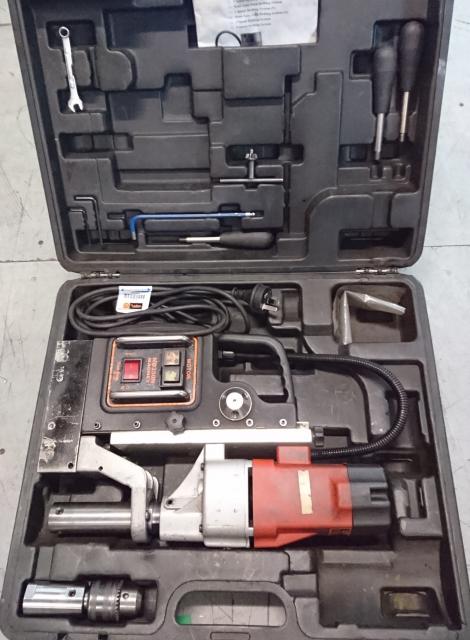
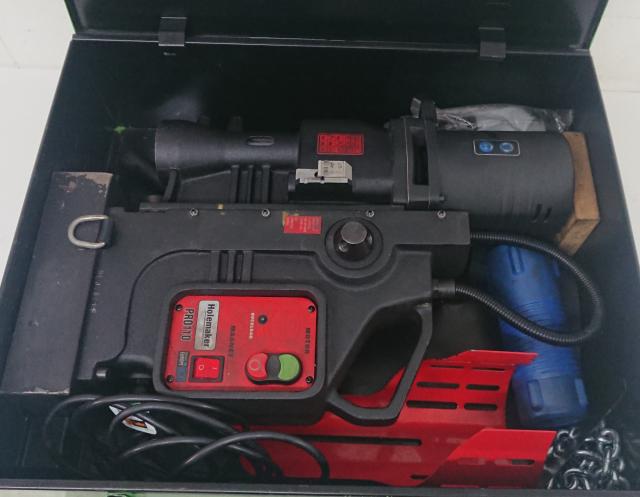
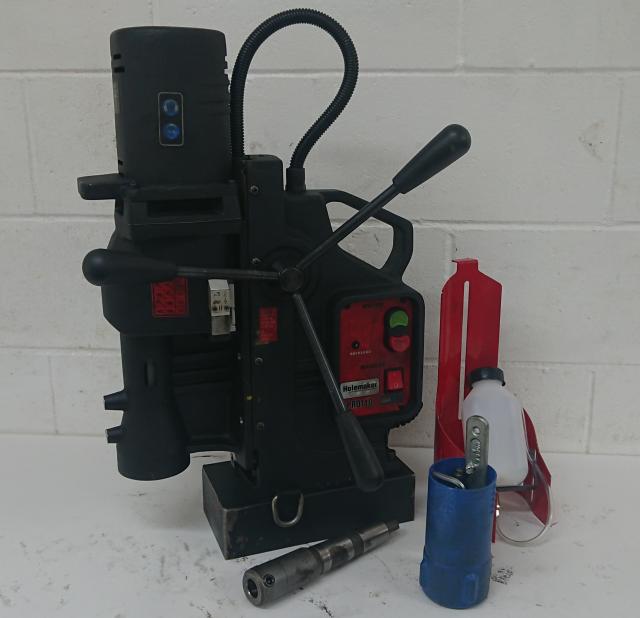
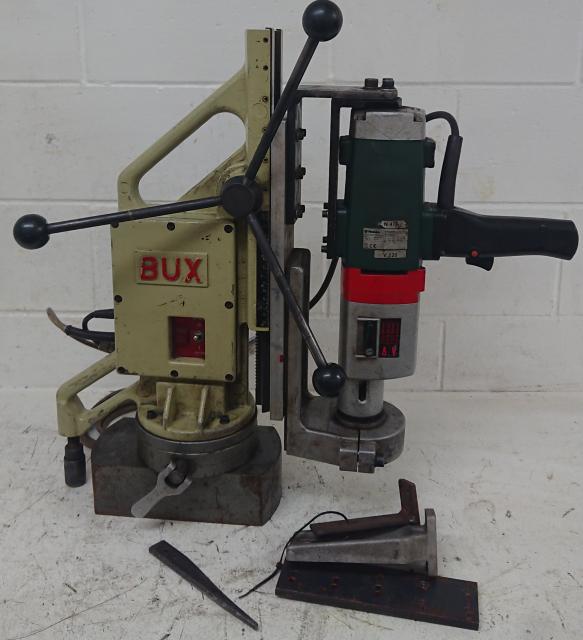
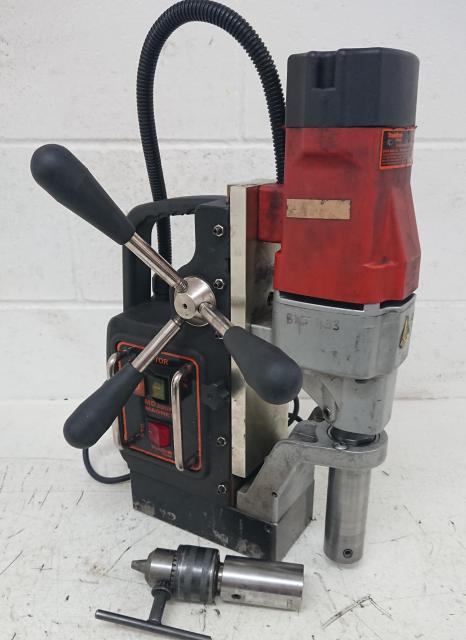
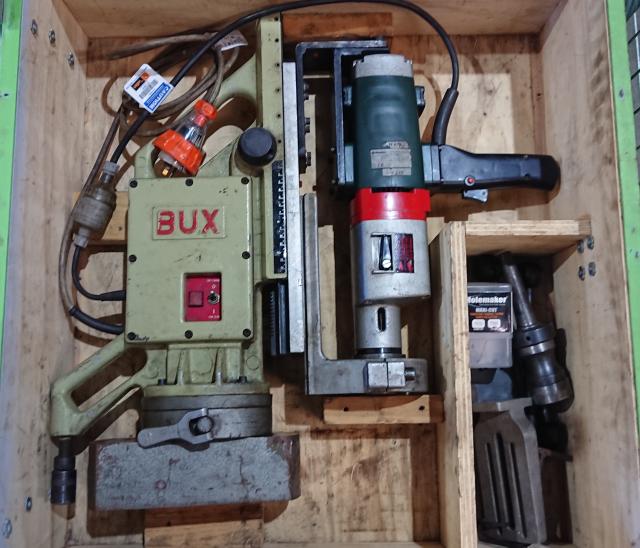
BLJ In-Situ Solutions has available a broad selection of Magnetic Base Drills which can be used with a wide variety of tooling including annular cutters, twist drills, Morse taper attachments, taps, reamers, and counter sinks all of which are also available for hire/use. All BLJ In-situ Solutions machines are supplied with tooling and equipment required to setup and operate.

Enquire Today

Related Equipment

Continue reading

Spot Facing Machine

Product Description

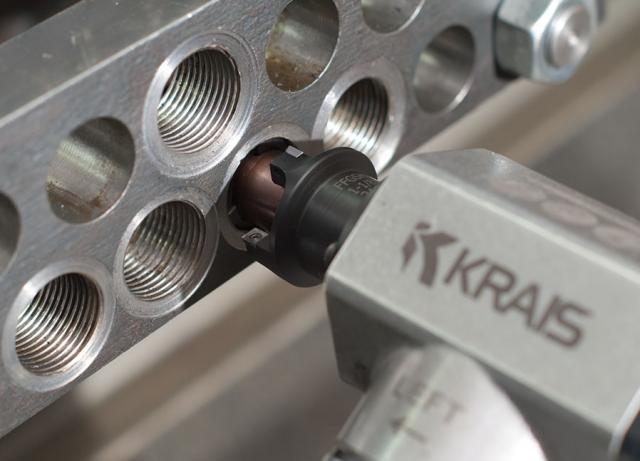
Spot Facing & Machining of Fin Fan Cooler plugs.

Pneumatic machine used for the spot facing of gasket seats on Fin Fan cooler plugs from sizes 1-1/8″ to 1-7/8″.

Equipped with a cutter head and special locking system, machine locks directly into plug thread, to suit your application.

BLJ machines come equipped with all tools required to setup and operate.

Download Data Sheet ~ Spot Facing

Enquire Today

Related Equipment

Continue reading

We look forward to working with you.

For more information on this product, please fill out the form and one of our team members will be in touch.

"*" indicates required fields